Website Design in Nigeria (2026)
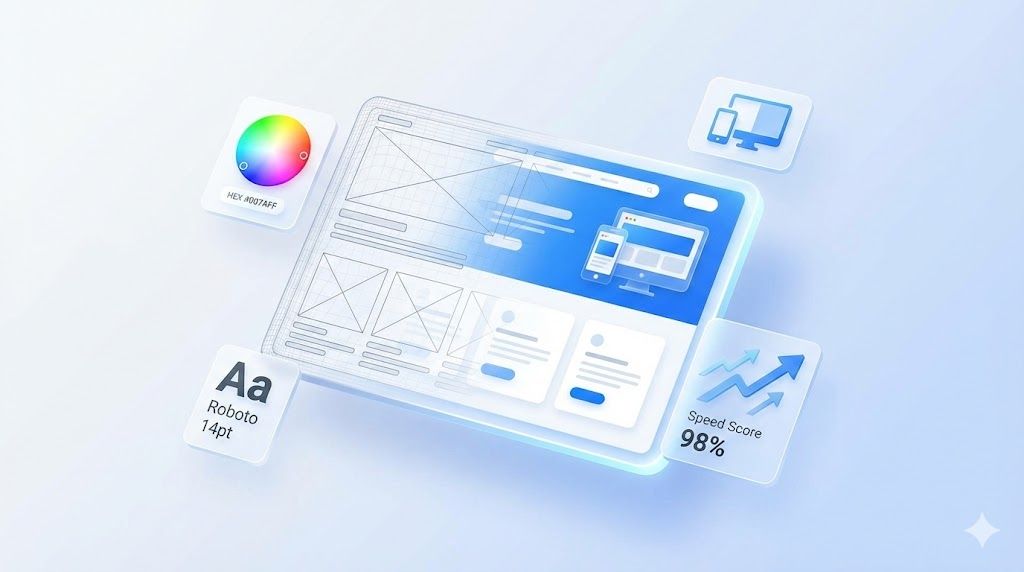
This guide is designed for businesses in Port Harcourt and across Nigeria looking to understand web design and make informed decisions.
What is Website Design?
Website design is the creation of a website’s visual layout, user interface, and overall user experience. It combines creativity (colors, typography, layout) with technical skills like HTML, CSS, JavaScript, and content management systems such as WordPress.
It combines creativity (like color schemes and graphics) with technical skills (such as HTML, CSS, JavaScript, and tools like WordPress or custom coding). In Nigeria, the industry is thriving due to the rise of local businesses going online, e-commerce platforms, and remote freelance opportunities.
Key trends in 2025 include mobile-first design, AI integration for personalization, and fast-loading sites optimized for Nigeria's varying internet speeds.
Why Is Web Design Important for My Business?
Web design is important because it directly affects how customers perceive your business, trust your brand, and decide whether to contact you or buy from you. A well-designed website improves credibility, visibility on Google, and conversion rates.
In today’s digital world, your website is often the first interaction people have with your business. Before a customer calls you, sends a message, or visits your office, they usually check your website to decide whether you’re credible, professional, and worth their time.
Good web design is not just about looking nice , it directly affects how people perceive your brand, trust your business, and decide to take action.
Here’s why web design is critical for business growth:
1. It Builds Trust and Credibility
People judge your business within seconds of landing on your website. A poorly designed or outdated website can make even a great business look unprofessional, while a clean, well-structured design instantly builds confidence.
A professional website signals that:
Your business is legitimate
You take your brand seriously
You can be trusted with clients’ money and time
For service-based businesses especially, trust is everything.
2. It Helps Customers Understand Your Services Clearly
A well-designed website guides visitors logically:
Who you are
What you do
Who your services are for
How to get started
When information is clearly structured, visitors don’t feel confused or overwhelmed. Instead, they quickly understand your value and are more likely to contact you.
👉 This is explained in more depth in our article:
How a Well-Structured Website Converts Visitors into Clients
3. It Improves Visibility on Google (SEO)
Search engines favour websites that are:
Fast
Mobile-friendly
Well-structured
Easy to navigate
Modern web design plays a huge role in how well your site ranks on Google. From clean URLs to proper heading structure and page speed, design and SEO work hand-in-hand.
A well-designed website increases your chances of being found by people actively searching for your services.
👉 Learn more here:
How Web Design Affects SEO and Google Ranking
4. It Turns Visitors Into Leads and Customers
Your website should not just exist — it should work for you.
Strategic web design helps:
Highlight your key services
Place clear calls-to-action (CTAs)
Reduce friction for users
Encourage enquiries, bookings, or purchases
In other words, good design turns your website into a 24/7 sales tool, not just an online brochure.
👉 We break this down step-by-step in:
How High-Converting Websites Are Designed
5. It Strengthens Your Brand Identity
Your colours, typography, layout, and tone all work together to shape how people remember your brand.
Consistent and thoughtful web design helps your business:
Stand out from competitors
Look more premium
Stay memorable in customers’ minds
Over time, this builds brand recognition and loyalty.
What Does a Web Designer Actually Do?
A web designer is responsible for how a website looks, feels, and works for users. Their job goes far beyond making things “look nice.” A professional web designer combines visual design, user experience (UX), strategy, and technical structure to create websites that attract visitors, keep them engaged, and convert them into customers.
At Mijanex, we approach web design as a business tool, not just a digital brochure , especially for businesses looking for a reliable web designer in Port Harcourt who understands both design and results.
Below is a breakdown of what a web designer actually does in practice 👇
1. Plans the Website Structure & User Experience (UX)
Before any colors or images are chosen, a web designer plans how users will move through the website.
This includes:
Deciding page structure and navigation
Mapping user journeys (from landing page → contact or checkout)
Ensuring visitors can find information quickly and easily
“What is user experience (UX) design in web design?”
Good UX design improves:
Time spent on site
Conversion rates
Trust and credibility
This is why UX is a core part of every project handled by Mijanex, not an afterthought.
2. Designs the Visual Layout (UI Design)
This is the part most people think of first , but it’s only one piece of the puzzle.
A web designer:
Chooses color schemes aligned with your brand
Selects readable typography
Designs buttons, forms, and call-to-action sections
Creates a consistent visual identity across all pages
“What makes a good website design?”
“Key elements of professional web design”
For businesses in Nigeria, especially Port Harcourt, visual trust matters. A poorly designed site can make even a legitimate business look unprofessional.
3. Builds Mobile-Friendly (Responsive) Designs
A modern web designer ensures your website works perfectly on:
Smartphones
Tablets
Laptops and desktops
This is known as responsive web design, and it’s no longer optional.
“What is responsive web design and why it matters”
With most users browsing on mobile, Google also ranks mobile-friendly websites higher, which directly affects SEO.
4. Optimizes the Website for SEO (Search Engines)
While SEO specialists go deep into keywords and content, a web designer lays the technical foundation for SEO success.
This includes:
Clean page structure (H1, H2, H3 headings)
Fast loading speeds
Proper image optimization
SEO-friendly URLs
Accessibility best practices
“Is SEO included in web design?”
“How web design affects Google rankings”
At Mijanex, SEO-ready design is built in - especially important if you want to rank locally as a web designer in Port Harcourt or attract customers in your service area.
5. Ensures Performance, Speed & Usability
Web designers also focus on:
Page speed optimization
Reducing clutter and distractions
Clear call-to-action placement
Easy-to-use contact forms
👉 Internal link opportunity:
“How fast loading websites improve conversions”
A beautiful website that is slow or confusing will still lose customers.
6. Collaborates With Developers (or Handles Development Lightly)
Depending on the project, a web designer may:
Work closely with a web developer
Or handle basic front-end development themselves (HTML, CSS, CMS tools like WordPress)
“Web design vs web development - what’s the difference?”
At Mijanex, we bridge the gap between design and development, ensuring the final website matches the original vision without technical compromises.
7. Aligns the Website With Business Goals
Most importantly, a web designer designs with purpose.
This means understanding:
Your business goals
Your target audience
What action you want users to take (call, book, buy, sign up)
“Why web design is important for business growth”
This strategic approach is what separates a professional agency like Mijanex from generic template-based designers.
So, What Does a Web Designer Really Do? (In Simple Terms)
A web designer:
✔ Designs how your website looks
✔ Plans how users navigate it
✔ Ensures it works on all devices
✔ Optimizes it for speed and SEO
✔ Aligns it with your business goals
If you’re looking for a trusted web designer in Port Harcourt, Mijanex helps businesses create websites that don’t just exist - but actually perform.
Finding a Professional Web Designer in Port Harcourt
Once you understand what web design is and what a web designer actually does, the next logical step is figuring out who to work with.
For many businesses, especially service-based and growing brands, working with a local web designer in Port Harcourt has real advantages. Communication is often easier, timelines are clearer, and the designer is more likely to understand the local market, audience behavior, and business expectations.
That said, not all web designers offer the same level of experience, structure, or results. Some focus mainly on visuals, while others place more emphasis on user experience (UX), responsive web design, and SEO-friendly website structure - all of which directly affect how well a website performs after launch.
If you’re unsure what to look for, it helps to first understand:
-What makes a good website design
-The difference between web design vs web development
-Whether SEO is included in web design
-How mobile-friendly (responsive) design impacts usability and rankings
Once those basics are clear, choosing a designer becomes much easier.
To help businesses avoid guesswork, we’ve put together a detailed guide that highlights experienced professionals and agencies doing quality work locally. This includes designers who specialize in business websites, personal brands, and growth-focused platforms.
👉 Top 10 Web Designers in Port Harcourt (Full List & Breakdown)
That guide goes deeper into:
-What each designer or agency offers
-The type of websites they specialize in
-How to evaluate portfolios and past work
-What questions to ask before hiring a web designer
If you’re still in the early stages, you may also want to explore:
How long it takes to design a website
How to choose the right web designer for your business
At Mijanex, we believe informed clients make better decisions. Whether you work with us or another professional, understanding the web design process and the local landscape will help you get better long-term results from your website.
Costs of Designing a Website in Nigeria
Website design costs depend on complexity, features, and whether it's custom or template-based. Factors include domain/hosting (₦10,000–₦50,000/year), design tools, and developer fees.
Basic site: ₦100,000–₦350,000.
E-commerce: ₦750,000–₦5,000,000+.
One-page site: ₦100,000–₦250,000.
Advanced like Jumia: ₦5,000,000–₦50,000,000+ for full-scale development.
DIY options (e.g., WordPress) can reduce costs to under ₦100,000, but hiring pros ensures quality.
For specifics:
How Much Does a Website Design Cost in Nigeria?
How Much Does It Cost to Design a Website in Nigeria?
How Much Should I Pay Someone to Design My Website?
How Much Will It Cost to Design a Website?
How Much Does It Cost to Build a Website Like Jumia?
What Is a Fair Price for Website Design?
How Much Does a 1 Page Website Cost?
Is It Cheap to Design a Website Yourself?
Hiring a Website Designer
Hiring costs align with design fees. Freelancers on platforms like Upwork charge ₦100,000–₦1,000,000, while agencies start at ₦500,000. Expect higher for custom work.
Tip: Compare portfolios and reviews.
Related blogs:
How Much Does It Cost to Hire a Website Designer?
How Much Should Website Designer Charge in Nigeria?
How Much Does It Usually Cost to Hire Someone to Make a Website?
How Much Does It Cost to Pay Someone to Design Your Website?
Conclusion
Website design in Nigeria offers opportunities for creators and businesses alike. Stay updated with trends like AI and responsive design. If you're ready to start, explore our linked blogs for detailed answers.
Need Professional Help?
Our agency specializes in building high-converting websites. Let's discuss your project!
Schedule a Consultation